
custom mirror and glass
Understanding the 400mm Gate Valve A Comprehensive Overview Gate valves play a vital role in various industrial applications, serving as essential components in fluid control systems. Among the different sizes and types, the 400mm gate valve stands out due to its significant diameter and functionality. This article delves into the features, applications, and advantages of 400mm gate valves, emphasizing their importance in modern engineering and infrastructure. What is a Gate Valve? A gate valve is a linear device that controls fluid flow through a pipe by raising or lowering a gate within the valve body. Unlike other types of valves, such as globe valves, gate valves are designed to be fully opened or fully closed. The construction usually features a round or rectangular gate that seals the flow path when closed and allows complete flow when opened. This design minimizes pressure loss and ensures smooth, unobstructed flow in pipelines. Specifications of a 400mm Gate Valve The 400mm designation refers to the nominal pipe size, which is approximately 16 inches in diameter. This size makes it suitable for various applications that require substantial flow control capacity. A gate valve of this size is typically constructed from robust materials such as forged steel, ductile iron, or stainless steel, ensuring durability and resistance to corrosion. Key specifications generally include - Body Material Ensures strength and longevity, often tailored to the medium being transported (water, oil, gas, etc.). - Pressure Rating Relates to the ability of the valve to withstand pressure without leakage or failure, typically rated in PN (pressure nominal) or ANSI numbers. - Temperature Range Indicates the operating temperature limits, important for processes involving heated fluids or gases. - Connection Type Determines how the valve interfaces with pipe systems, including flanged, welded, or threaded connections. Applications in Various Industries The versatility of 400mm gate valves makes them applicable across a range of industries, including 1. Water Supply Systems Used in municipal water supply networks for isolation purposes to facilitate maintenance and repairs. 2. Wastewater Treatment Essential for controlling flows in treatment plants, ensuring that processes can be shut down or regulated as necessary. 400mm gate valve 3. Oil and Gas Employed in pipelines to manage the flow of oil, gas, and other hydrocarbons, where high reliability is crucial. 4. Power Generation Integral parts of steam and water management systems in power plants, aiding in the control of water intake and discharge. 5. Chemical Processing Necessary for the transportation of various chemicals, where they prevent leaks and ensure safe transit through piping systems. Benefits of Using a 400mm Gate Valve 1. Low Pressure Drop When fully open, a gate valve creates minimal resistance to flow, contributing to efficient system performance. 2. Durability Constructed from durable materials, these valves can withstand harsh conditions, prolonging service life and reducing maintenance demands. 3. Simplicity in Design Their straightforward design makes them easy to operate and maintain, often requiring less frequent repairs than more complex valve types. 4. Effective Sealing When closed, gate valves provide an effective seal that prevents backflow, making them suitable for systems requiring absolute shut-off. 5. Cost-Effectiveness Though initial investment may be higher, their longevity and low maintenance needs can result in lower overall operational costs. Conclusion In summary, the 400mm gate valve is an indispensable tool in various industries, known for its reliability, efficiency, and robust design. Understanding its specifications, applications, and advantages helps professionals make informed decisions about fluid control systems. As industries continue to evolve, the significance of effective flow management solutions like the 400mm gate valve will undoubtedly grow, reinforcing its role in ensuring the seamless operation of modern infrastructure. Whether utilized in water systems, gas pipelines, or chemical plants, the 400mm gate valve offers a blend of durability and performance that can adapt to the demands of a rapidly changing world.
about
custom mirror and glass
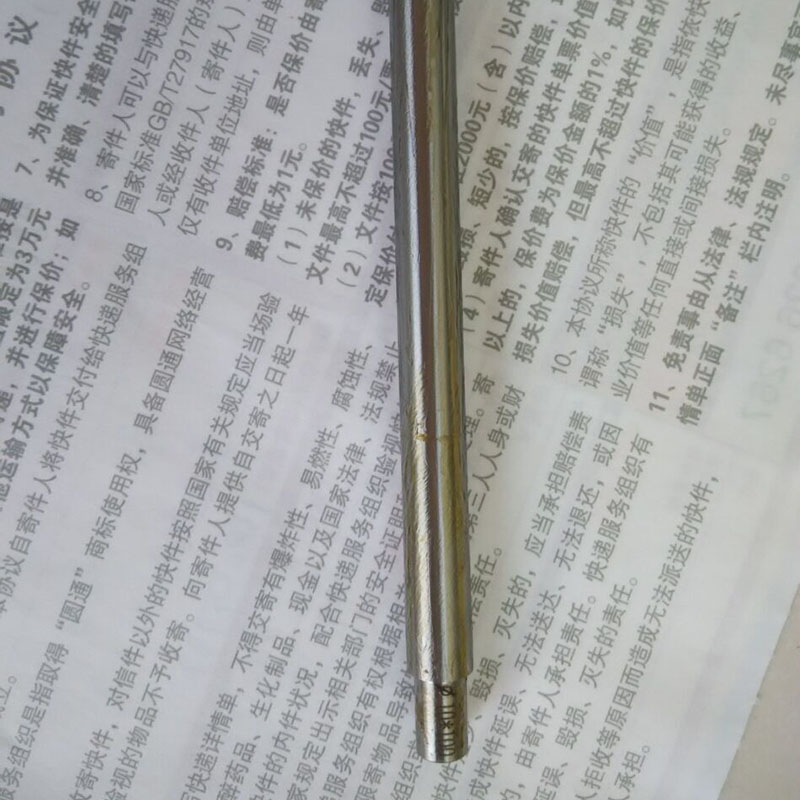
Understanding Plug Gauges Essential Tools for Precision Engineering In the realm of precision engineering and manufacturing, ensuring the correct dimensions of machined parts is paramount. One of the critical tools employed in this process is the plug gauge. Designed for checking the internal dimensions of holes and bores, plug gauges are integral to quality control and assurance in various industries, including automotive, aerospace, and electronics. What is a Plug Gauge? A plug gauge is a cylindrical measuring device used to verify the dimensional accuracy of holes. Typically made from high-grade steel, these gauges can be classified into two primary types Go gauges and No-Go gauges. The Go gauge is slightly smaller than the specified hole diameter, ensuring that it can fit into the hole if it is within the acceptable tolerance range. Conversely, the No-Go gauge is slightly larger, designed to ensure that if it does fit, the hole is out of specification. Types of Plug Gauges 1. Plain Plug Gauges These are the simplest form of plug gauges, used for basic inspections of hole diameters. 2. Tapered Plug Gauges These gauges have a tapering design that allows them to check not only the diameter but also the conformance of the shape and size over a distance. 3. Adjustable Plug Gauges These are used when a more precise measurement is required. They can be adjusted to different sizes, offering flexibility for various dimensions. 4. Specialty Plug Gauges Custom-made plug gauges are designed for specific applications, such as checking unique hole shapes or sizes in specialized components . Importance of Plug Gauges plug gauge The accuracy and precision of products depend significantly on the effectiveness of the measurement tools used during the manufacturing process. Plug gauges play a vital role in ensuring that parts fit together as intended, which is especially important in assemblies where multiple components are combined. If parts do not meet specified tolerances, it can lead to assembly issues, increased production costs, and even failures in the final product. Moreover, the use of plug gauges contributes significantly to the efficiency of the manufacturing process. By implementing these gauges, manufacturers can conduct quick inspections of parts, minimizing downtime and streamlining production. This efficiency is crucial in today’s fast-paced manufacturing environment, where speed and accuracy directly impact competitiveness in the market. How to Use Plug Gauges Using a plug gauge effectively requires a clear understanding of tolerances and specifications. Operators must first verify that the gauge is calibrated and in good condition. The process generally includes the following steps 1. Insert the Go Gauge The operator places the Go gauge into the hole. If it fits, it indicates that the hole is within the minimum allowable size. 2. Insert the No-Go Gauge Next, the No-Go gauge is inserted. If the No-Go gauge fits, it signals that the hole exceeds its maximum allowable size, which means it is out of tolerance. 3. Record Measurements Any discrepancies found during the measurement process should be recorded for quality assurance tests, enabling manufacturers to address issues promptly. 4. Routine Maintenance Regular calibration and maintenance of plug gauges ensure their accuracy and prolong their lifespan. Conclusion Plug gauges are indispensable tools in precision manufacturing, playing a crucial role in quality control and assurance. Their straightforward design and functionality make them reliable instruments for ensuring that parts meet specified tolerances. The use of plug gauges not only enhances the accuracy of measurements but also promotes operational efficiency in the manufacturing process. As industries continue to evolve and demand higher precision, the importance of plug gauges in maintaining quality standards will undoubtedly grow. By investing in proper usage and maintenance of these tools, manufacturers can ensure the longevity and performance of their products in a competitive marketplace.
-

High quality industrial productsagement

High quality industrial products
View Details -

Meet the diverse needs of customers

Meet the diverse needs of customers
View Details -

Strict quality control

Strict quality control
View Details -

Top raw materials

Top raw materials
View Details -

Trusted supplier

Trusted supplier
View Details
Our application

news and information

Versatile Snap Gauge with Adjustable Range for Precise Measurement in Various Applications
Understanding Adjustable Snap Gauge Ranges In the world of precision measurement, tools like the adj
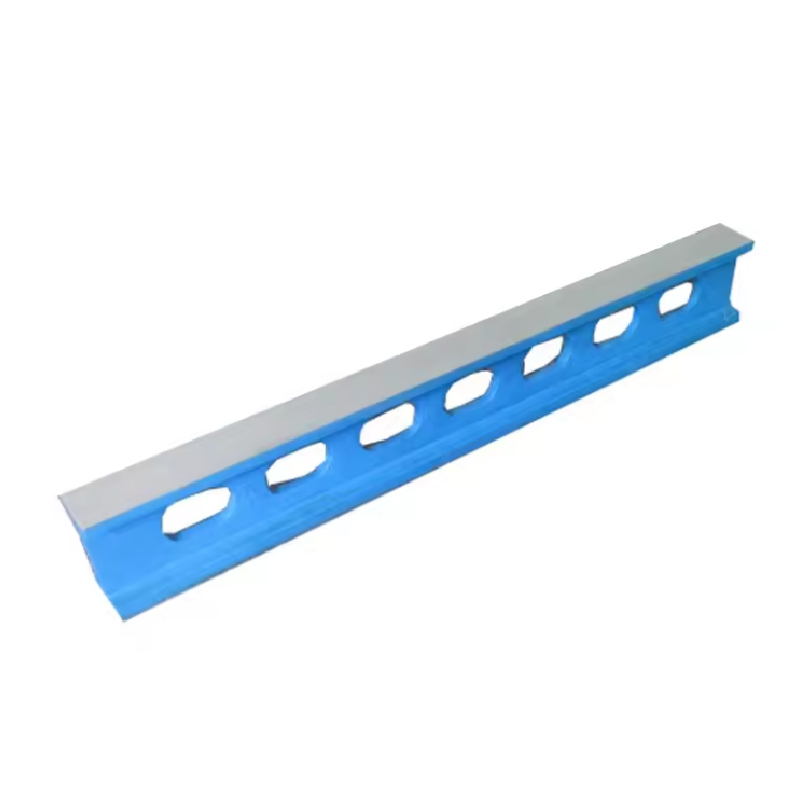
use of parallel ruler
The Use of Parallel Rulers An Essential Tool in Precision Measurement In various fields ranging from

Válvula borboleta 250mm
Válvula Borboleta de 250mm Eficiência e Versatilidade em Sistemas de Fluídos As válvulas borboleta t
 English